Pain is never ever simply a symptom. It's a tale that hides pathology, concern, memory, and danger. In emergency situation care and throughout medical technique, the experts that manage pain well change end results: shorter remains, fewer complications, better relationship, and more secure handovers. The catch is that excellent discomfort monitoring goes beyond picking a medication class and dosage. It draws on analysis framework, scene judgment, communication under stress, and a technique for paperwork that stands up to audit or coroner's court. That is where targeted training, particularly PUAEME008 Supply discomfort management, has real weight.
PUAEME008 sits inside the general public security domain and is extensively embraced in prehospital and emergency situation training. It is created to offer responders the competence to assess, provide, monitor, and document analgesia within an organisation's scientific administration structure. If you're comparing discomfort monitoring programs, it assists to recognize what this device does well, where it fits relative to various other pathways, and just how to straighten it with your extent of technique, be that paramedicine, nursing, physiotherapy, or occasion medicine.
What PUAEME008 in fact covers on the ground
The unit concentrates on sensible proficiencies framed by protocols. At its core, PUAEME008 give discomfort management educates responders to perform structured evaluation, select an analgesic or non-pharmacological method, carry out securely, display impacts, and identify damage or negative reactions. That reads neat theoretically, but the field version appears like this:
You kneel next to a 72-year-old that has actually dropped on actions, with a flawed wrist and a BP of 98 systolic. She fears and hypothermic from the rain. You need a fast pain score, neurovascular checks, a feeling of her comorbidities and medications, a respiratory tract appearance, and a decision on whether breathed in analgesia will help sufficient or if you need an IV strategy. At the same time her little girl is asking about morphine and adverse effects. PUAEME008 offers you the framework to make that call and to intensify if warnings appear.
Expect the educational program to consist of pain ranges for any ages, contraindications, side-effect management, and the logistics of approval and paperwork. The far better service providers also teach how to make use of medical reasoning when the discomfort rating and the patient's affect don't match. Not all 8 out of 10 scores are equivalent; a certificate in pain management nervous teenager with a strain needs a different conversation than a stoic farmer with a suspected fractured neck of femur.
Why this unit differs amongst pain management courses
Dozens of pain administration training courses exist, from brief refresher courses to postgraduate certifications. PUAEME008 is different since it is developed for action under procedure. It aligns with organisational https://writeablog.net/lolfuruacb/pain-monitoring-certification-proficiencies-and-medical-application professional technique standards, public scientific improvisation. That matters if you run in a chain of treatment with medicines equipped to policy, devices maintained to conventional, and monitored practice.
The device also emphasises emergency discomfort management without losing sight of non-pharmacological measures. Splinting well, repositioning, warmth or cool where ideal, and trained breathing can minimize the dosage you need to provide. In many solutions, this conventional skillset is the difference between a smooth transport and a screen loaded with alarms.
Finally, PUAEME008 carries defensible paperwork practices. Accurate discomfort racking up at standard and at established intervals, clear medicine graphes, and rise notes reduce clinical danger. When auditors or detectives evaluate a situation, they look for that tale arc: evaluation, intervention, response, and handover quality. The device trains you to compose that arc in real time.
Where PUAEME008 fits amongst discomfort monitoring training courses
You can treat the present training landscape as three bands:
Entry and brief courses in pain administration: quick components for very first -responders, sporting activities trainers, and clinicians new to analgesic methods. These typically show discomfort scales, straightforward gadget use such as methoxyflurane inhalers, basic contraindications, and documents. PUAEME008 usually beings in this band, though it is a lot more thorough than a two-hour webinar.
Intermediate certificate course in pain management: multi-day programs aimed at nurses, advanced initial responders, and allied health specialists who require deeper pharmacology, titration strategies, and more complex assessment including unique populations. These often finish in a discomfort administration certificate or pain management accreditation that can be logged for CPD.
Advanced pain management certification course: postgraduate or specialized programs for anaesthetics, chronic pain clinics, and advanced paramedic technique. These consist of nerve blocks, multimodal regimens, and progressed surveillance. They are past the range of PUAEME008 and target clinicians with recommending authority or prolonged range under medical direction.
For lots of groups that count on protocol-driven treatment, PUAEME008 give discomfort management strikes the pleasant place: structured, identified, functional, and straight connected to area jobs. If your function is prehospital, occasion, mining, remote procedures, or intense ward settings without independent prescribing, it is an effective way to raise capability.
Pain management training for nurses: when PUAEME008 assists and when it does n'thtmlplcehlder 34end. Nurses sit throughout a vast array of ranges. A ward RN in orthopaedics may not require prehospital packaging or scene take the chance of assessment, yet will benefit from the unit's focus on assessment structure, non-pharmacological procedures, and escalation triggers. An ED nurse, rural generalist, or flight registered nurse stands to acquire more since the material mirrors time-critical choice making. Two functional differences matter. Initially, medication authority. PUAEME008 instructs management within procedure and local standing orders, not independent prescribing. If your medical facility allows nurse-initiated analgesia under plan, the unit's application, tracking, and documentation segments straighten well. Second, client mix. If you handle paediatric, senior citizen, or burns clients consistently, see to it your supplier contextualises scenarios. Discomfort expression and pharmacodynamics shift with age, frailty, and injury type. 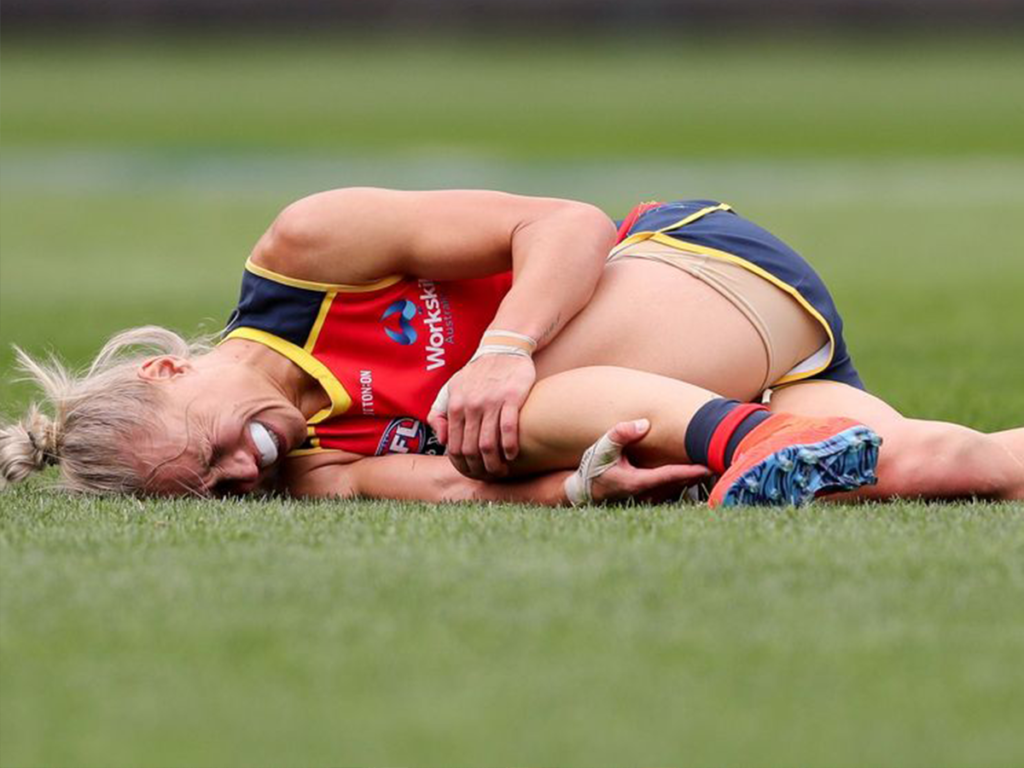 For groups doing pain monitoring training for nurses, I have seen the most effective results when educators develop simulations around your actual medicine listing and monitoring charts. Generic circumstances are neat; neighborhood kinds, actual trolley designs, and your barcode scanner workflow make the discovering stick. Pain administration training courses for physiotherapists: a tailored view
Physiotherapists typically require strong discomfort monitoring training, yet not primarily for drug management. Rather, they require assessment nuance, secure hands-on handling when discomfort is intense, and non-pharmacological techniques that reduce fear-avoidance and protect cells. A short course constructed around PUAEME008 material can be useful if the company translates methods into method you have: bracing, splinting, positioning, rated direct exposure, and interaction that confirms discomfort while moving toward function.
If you work in sports, musculoskeletal, or post-op rehabilitation, ask service providers to include decision factors relevant to you. For example, when to advocate for analgesia before mobilisation, what to check after regional blocks, and how to instructor breathing and pacing to make analgesia a lot more efficient. In some systems, physio therapists might be permitted to assist with breathed in analgesics throughout transports or on-field stabilisation under guidance. Where that exists, PUAEME008-aligned training adds safe structure.
What a solid PUAEME008 program looks like
The system descriptor is only the skeleton. The genuine top quality comes from distribution. Over the last decade, a few functions have consistently anticipated great learner results:
- Scenario thickness that requires judgment, not simply rote steps. 2 scenarios per hour is a suitable criteria, with advancing vitals and family members dynamics. Medication handling that mirrors your setup. If your service brings methoxyflurane and intranasal fentanyl, you ought to practice with the precise gadgets, including arrangement, priming, disposal, and waste documentation. Feedback loopholes on interaction. Pain is subjective. Good programs record a circumstance and play back 60 seconds of exactly how you discussed alternatives and granted therapy. Most medical professionals boost after seeing their own words. Explicit red flag training. New-onset neurological deficiencies, advancing stomach pain with peritonism, compartment disorder indicators, and atypical MI. A training course that drills these patterns cuts errors months later. Documentation drills under time pressure. Five-minute write-ups that still catch baseline score, site, descriptors, treatments, action at two intervals, and damaging impacts, plus who you intensified to and when.
If a carrier skimps on any of these, you may entrust to understanding yet without reflexes. Discomfort management is a time game, and just repetition develops rate without sloppiness.
Assessment techniques you ought to expect
Competency-based evaluation is the norm. Written elements test pharmacology, contraindications, and policy understanding. Practical assessments generally include two or even more simulated patients with different analgesic demands and comorbidities. You will certainly be scored on analysis thoroughness, medicine checks, dosing precision, surveillance, negative reaction response, and paperwork completeness. Good assessors also test soft abilities: clarifying alternatives to a baffled older, working out with a risk-averse family member, and maintaining self-respect while you subject and examine unpleasant areas.
A well-run last circumstance frequently includes a curveball, such as hypotension after standing, an allergy you really did not elicit until late, or an abrupt decrease in GCS. The factor is to test exactly how quickly you abandon Plan A and button to encouraging care, get in touch with, or transport prioritisation.
Scope and guideline: the boundaries that shield you
A persistent false impression is that a discomfort administration certification gives broad medicine rights. It does not. PUAEME008 rests inside organisational administration. Your authority flows from plan, neighborhood medicines regulations, and the delegation or standing orders you operate under. If your solution enables inhaled analgesia without IV access, that is your lane. If the protocol requires a second medical professional to validate application, that is not optional.
Why emphasise this? Due to the fact that when instances go wrong, the very first questions are constantly about authority and procedure compliance. A pain monitoring accreditation training course must make you proficient in your boundaries. Paradoxically, that fluency commonly expands your performance. You understand when to promote quick transport, when to require advanced back-up, and how to make use of non-pharmacological methods while you wait.
The useful pharmacology that matters
PUAEME008-aligned programs typically cover a minimal analgesic embed in depth as opposed to a wide menu in superficial detail. Most services educate a minimum of one breathed in representative and one opioid path. The information differ by territory, yet the theoretical supports are stable.

Methoxyflurane or similar inhaled agents are quick to release, non-invasive, and handy for step-by-step pain or brief transports. They can be inadequate for severe injuries and need surveillance for dizziness or hypotension. Opioids such as intranasal fentanyl or IV morphine supply titratable relief but include respiratory system and sedation threats that require vigilance, specifically in older adults or those with obstructive sleep apnoea. Paracetamol and NSAIDs are typically part of a multimodal plan but have slower beginning and specific contraindications like kidney problems or bleeding risk.
Good training attaches the dots between system, start, optimal, and patient account. For instance, you learn why a distressed youngster with a lower arm fracture could tolerate intranasal fentanyl better than a cannula, and why a frail senior with a neck of femur fracture requires cautious titration with very early antiemetic cover.
Non-pharmacological approaches that lower dosage and risk
Pain management programs often deal with non-drug steps as an afterthought. That is a blunder. Splinting placement lowers nociceptive drive. Heat and positioning stabilize vitals and convenience. Directed breathing and emphasis methods reduced sympathetic lots and make analgesics more reliable. In paediatrics, distraction is not adorable window clothing; it lowers the called for dosage and typically determines whether an intervention is successful without escalation.
In my very own technique, the moment you spend on a good splint more than pays for itself. A well-moulded vacuum splint on a tib-fib fracture can go down a discomfort rating by two points before any kind of drug starts, which then makes the initial dosage job better. Training courses that integrate in hands-on splint technique and positioning for breast injuries or stomach discomfort outfit you to see that payoff.
Emergency discomfort monitoring under uncertainty
Complex scenes don't wait until you complete your form. You will often dose prior to you understand the complete story. The safe means to do that is to use conventional initial application, select faster-off representatives when diagnosis is vague, and maintain your surveillance easy but constant. That implies audible respiratory price checks, not just a pulse oximeter analysis. It suggests reflecting on discomfort scores after every meaningful action, not following drugs.
Edge situations matter. A person with drunkenness and a head injury can not tell you much; your analgesia has to not mask damage. A presumed area disorder should set off minimal manipulation and very early seek advice from. A postpartum patient with stomach discomfort requires a different differential than a young man with comparable vitals. Good courses emerge these nuances as opposed to instructing a cool, direct formula that truth will certainly never ever follow.
Documentation that safeguards treatment and careers
If you remember nothing else from the governance component of a discomfort monitoring certification program, remember this pattern: standard analysis, treatment, reaction, acceleration or handover. Create them in that order, with times. Note confounders like pre-arrival meds or intoxication. Make use of the discomfort range consistently and talk with work, not simply numbers. "Pain 8/10, unable to weight-bear. After intranasal fentanyl 50 mcg, discomfort 5/10, tolerates splint and transfer." These sentences assist the getting clinician proceed the strategy without duplicating the job or overdosing.
The most common documents gaps I see are missing second monitorings and undocumented unfavorable results. Construct a muscular tissue memory for keeping in mind response at 5 to 10 mins depending upon representative, and for recording what you did concerning nausea or pruritus, also if that activity was just positioning, oxygen, or a phone call to the on-call clinician.
How to select in between discomfort administration courses for your role
If you are sorting with pain management training courses and you require a fast way to narrow choices, ask 3 inquiries. What medications and tools will I really use in my setting, and does the program show those? How much of the program time is hands-on with circumstances that match my people? What acknowledgment or positioning does the training course have with my service procedures or regulatory requirements?
PUAEME008 Provide discomfort management often ratings well on these tests because it is designed to be supplied with the equipment and plans you will certainly experience. If you work in a health center, search for carriers who map PUAEME008 outcomes to your nurse-initiated medications policy. If you are a physio therapist or allied health and wellness specialist, seek a version that stresses assessment and non-pharmacological techniques while orienting you to how to advocate for analgesia within your team.
How PUAEME008 raises early-career clinicians
Early in a career, the largest leap is from textbook assurance to real-time judgment. PUAEME008 accelerates that change by forcing choices under time restrictions with guidance and feedback. You find out to hold 2 ideas at once: relieve discomfort and protect analysis quality. That twin focus develops trustworthiness with colleagues and depend on with people. I have actually seen jr -responders that educated under robust programs handle busy, loud scenes without losing track of keeping an eye on periods, which solidity translates right into safer transportations and better handovers.
The unit likewise builds shared language. When everyone utilizes the same discomfort scales, the same application ranges, and the very same handover framework, groups relocate quicker. Experienced medical professionals know that a shared mental design minimizes error greater than any kind of single device.
For organisations: embedding PUAEME008 right into practice
Training does not stick unless managers make area and supply devices. If you look after a team, 3 financial investments lift the return on a give discomfort monitoring program. Stock the gadgets and medications the course educates, in the same configurations. Audit paperwork for the very first 3 months after training and feed back patterns, not blame. Set up brief circumstance refresher courses every quarter that reuse usual injuries and one uncommon but harmful pattern, such as aortic dissection masquerading as bone and joint pain.
You will certainly see the culture shift in just how your team talks about pain. They will request for splints faster, inspect neurovascular condition extra constantly, and table honest conversations regarding when to rise. That kind of muscular tissue memory is what clients really feel when they state care felt conscientious and calm.
Where brief courses in pain monitoring match lengthy careers
A short course does not finish the learning journey. Over a profession, you will include items: sedation for treatments, regional blocks if your scope expands, progressed monitoring, and more nuanced interaction with complicated discomfort disorders. But a strong foundation matters. The certificate training course hurting administration you take currently should provide you a framework durable adequate to hang new understanding on without damaging old habits.
PUAEME008's role, for several, is to establish that structure: examine, choose, provide, check, and file, with rise woven through each step. That isn't extravagant. It is dependable. When patients harmed and time is tight, reliability is what you desire in your hands.
A practical roadmap to obtain started
If you prepare to relocate, map the steps instead of buying at random.
- Confirm your range and requires with your clinical lead or manager, including which medicines and paths remain in play. Shortlist service providers who clearly deliver PUAEME008 Offer discomfort administration and request their circumstance mix and tool list. Book with an associate from your team preferably, so you train on the very same types and debrief together afterward. After training, set a 90-day testimonial to investigate a small example of cases for discomfort assessment high quality, application accuracy, and 2nd observations. Plan a short refresher scenario every quarter, turning unique populaces like paediatrics, older adults, and injury with shock.
That cadence keeps abilities from fading and proves to your governance bodies that training converts right into practice.
The result that matters
Pain monitoring is not a particular niche ability. It is a core medical guarantee. A person may fail to remember the numbers on a chart, but they bear in mind whether someone took their pain seriously, explained alternatives, and stayed present as relief set in. When you select a discomfort management program that stabilizes pharmacology with judgment, and when you embed PUAEME008 concepts into regular treatment, your method ends up being extra humane and more defensible. That is the rare win where the patient's story and the organisation's threat account relocate the very same direction.